

Baking a cake may sound like a daunting task, especially if you’re new to the kitchen. But don’t worry—baking is a fun and rewarding activity, and with the right guidance, anyone can make a delicious cake from scratch. Whether you’re preparing a birthday cake, a dessert for a special occasion, or simply indulging in a sweet treat, this guide will help you bake the perfect cake, every time.
1. Gather Your Ingredients: The Essentials for Baking a Cake
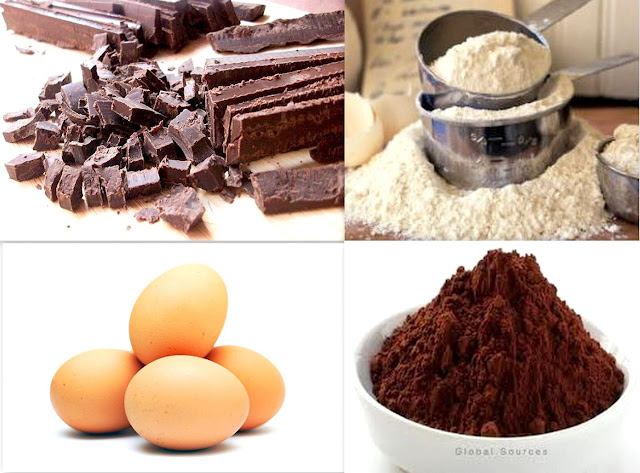
Flour: All-purpose flour works well for most cakes.
Sugar: Granulated sugar gives cakes the right sweetness and texture.
Butter: Softened butter is essential for creating a light, fluffy cake.
Eggs: Eggs help bind ingredients together and give structure to the cake.
Baking Powder or Baking Soda: These are essential leavening agents that make the cake rise.
Milk: For moisture and smooth batter.
Vanilla Extract: For added flavor.
Before you start baking, it’s important to ensure you have all the essential ingredients on hand. Here’s what you’ll need for a basic cake:
These ingredients form the base of many cake recipes, and you can always customize them by adding flavors like cocoa powder, fruits, or nuts.
2. Prep Your Equipment: What You’ll Need for the Perfect Bake
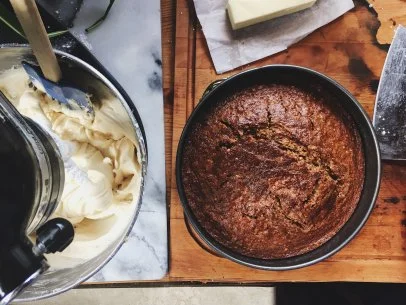
The right tools can make a big difference when it comes to baking. Here’s what you’ll need:
- Mixing Bowls: A large bowl for dry ingredients and a separate one for wet ingredients.
- Measuring Cups and Spoons: Precision is key in baking.
- Electric Mixer or Whisk: An electric mixer helps you achieve a smooth, airy batter, but a hand whisk will also work fine.
- Cake Pans: Choose the right size pan based on your recipe (typically 8-inch or 9-inch round pans).
- Parchment Paper: Line your cake pans with parchment paper for easy removal.
- Cooling Rack: To cool your cake evenly and avoid sogginess.
3. The Basic Cake Recipe: Step-by-Step Instructions
Now, let’s dive into the cake-making process. Follow these easy steps for a simple, classic cake:
Step 1: Preheat the Oven
Preheat your oven to 350°F (175°C). This ensures that the oven is at the right temperature for your cake to rise properly.
Step 2: Prepare the Cake Pans
Grease your cake pans with butter or cooking spray, and then line the bottom with parchment paper. This helps prevent the cake from sticking to the pan.
Step 3: Mix the Dry Ingredients
In a medium-sized bowl, whisk together 2 cups of all-purpose flour, 1 teaspoon of baking powder, and a pinch of salt. Set aside.
Step 4: Cream the Butter and Sugar
In a separate large bowl, beat 1 cup of softened butter and 2 cups of sugar together until light and fluffy. This process is essential for incorporating air into the cake, making it soft and airy.
Step 5: Add the Eggs and Vanilla
Add 4 large eggs, one at a time, beating well after each addition. Then, mix in 1 teaspoon of vanilla extract.
Step 6: Alternate Adding Dry and Wet Ingredients
Gradually add the dry ingredients (flour mixture) to the wet mixture, alternating with 1 cup of milk. Start and end with the flour mixture. Mix just until combined—do not over-mix the batter.
Step 7: Pour and Bake
Pour the batter evenly into the prepared cake pans. Use a spatula to smooth the top. Bake for about 30-35 minutes or until a toothpick inserted into the center comes out clean.
4. The Key to Perfect Cake: Cooling and Frosting
Once your cake is done baking, remove it from the oven and let it cool in the pan for about 10 minutes. After that, transfer it to a wire rack to cool completely.
While the cake is cooling, you can prepare the frosting. A classic buttercream frosting works wonderfully with most cakes:
- Buttercream Frosting Recipe:
- 1 cup of softened butter
- 3 cups of powdered sugar
- 2 teaspoons of vanilla extract
- 2 tablespoons of milk
- Beat all the ingredients together until smooth and fluffy. You can adjust the sweetness by adding more sugar, or make it richer with a bit more butter.
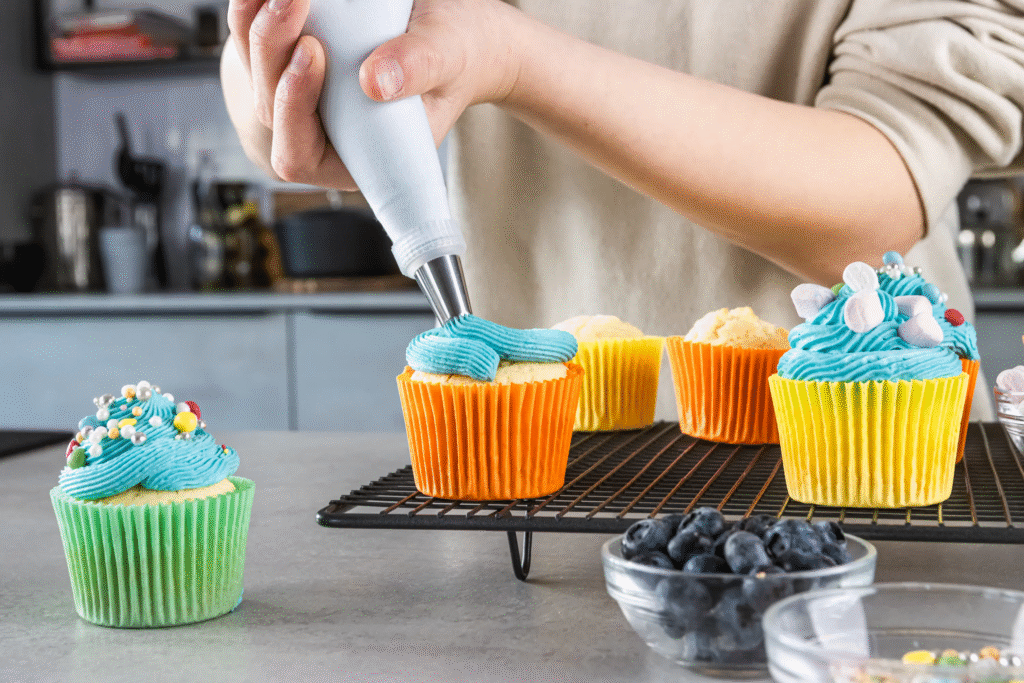
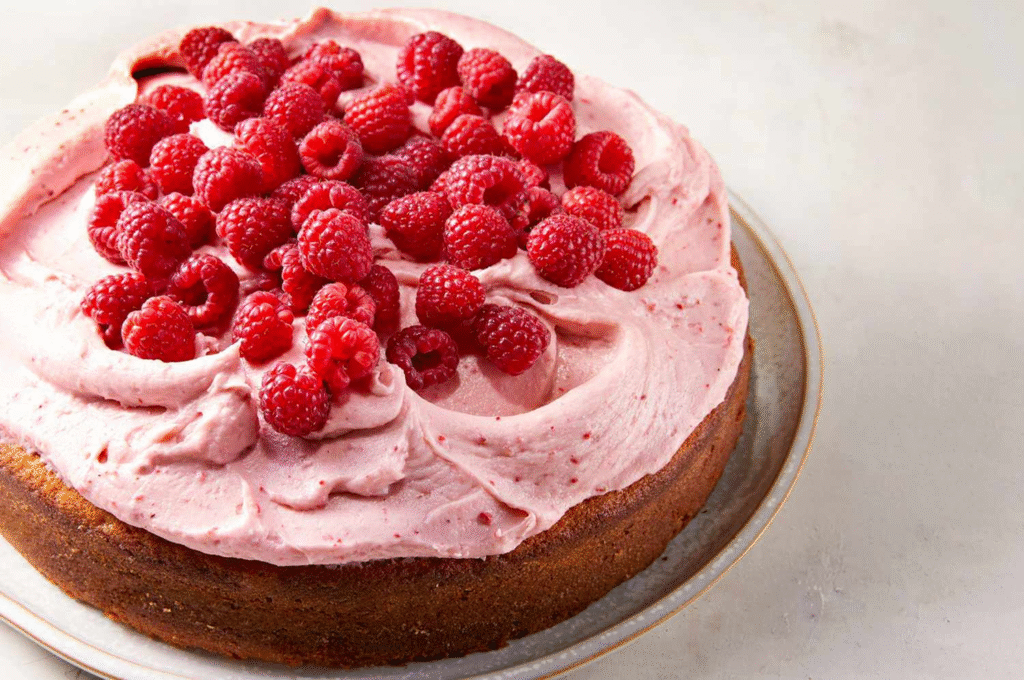
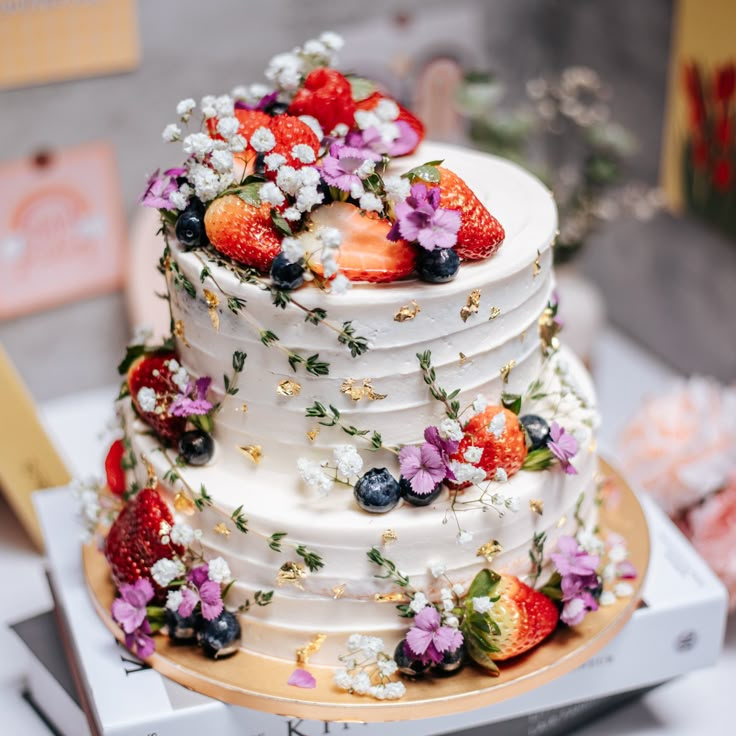
Once the cake is cool, spread a generous layer of frosting between the cake layers and on top. Feel free to decorate with sprinkles, fresh fruit, or even chocolate shavings!
5. Fun Variations and Tips for Custom Cakes
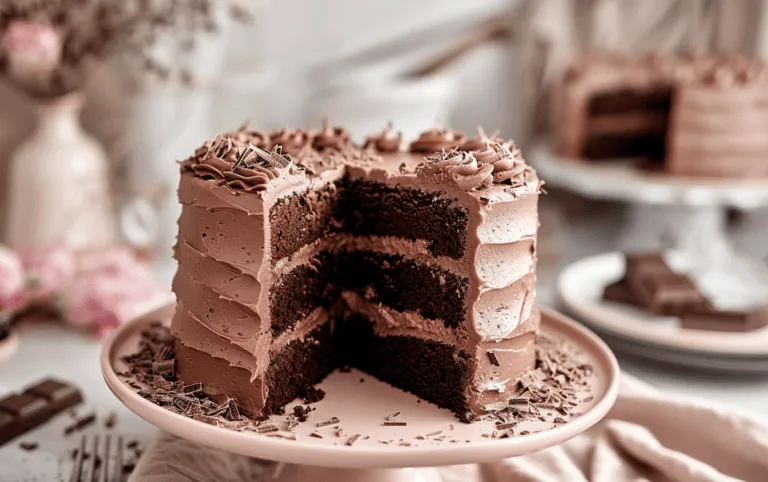
- Chocolate Cake: Add 1/2 cup of cocoa powder to the dry ingredients for a rich, chocolatey flavor.
- Fruit Cake: Mix in some diced strawberries, blueberries, or bananas to the batter for a fresh, fruity twist.
- Spice Cake: Add 1 tablespoon of cinnamon, 1/2 teaspoon of nutmeg, and 1/2 teaspoon of ginger to the dry ingredients for a warm, spiced flavor.
- Vegan Cake: Swap eggs with flaxseed meal or applesauce, and replace butter with vegan butter.
6. Troubleshooting Common Cake Problems
Even experienced bakers encounter cake-related issues. Here are some quick fixes:
- Cake too dense? Make sure you’re using the correct amount of baking powder, and avoid over-mixing the batter.
- Cake is too dry? Check your oven temperature and add a bit more liquid next time.
- Cake sticks to the pan? Always grease the pans and line them with parchment paper.
Conclusion: Bake with Confidence
Baking a cake might seem intimidating at first, but with the right recipe and a little patience, anyone can master it. Whether you’re baking a simple vanilla sponge or experimenting with more complex flavors, this guide is designed to help you create the perfect cake every time. So, gather your ingredients, preheat your oven, and get ready to impress your friends and family with your cake-making skills!
The recipes and tips provided in this guide are based on personal experience and research. Results may vary depending on the ingredients, equipment, and oven used. While we strive to ensure the accuracy of the information, please note that baking times, temperatures, and ingredient quantities may need to be adjusted according to your specific conditions.
#CakeBaking #BakingMadeEasy #HomemadeCake #BakingTips #CakeRecipe #BakeFromScratch #BakingFun #CakeLovers #CakeMakingGuide #BakingAtHome #SweetTreats #BakingCommunity #Carrerbook #Anslation #DessertLovers #BakingInspiration